
If you were hoping DDR5 prices were about to drop, think again. A new supply chain report suggests the memory supercycle isn’t winding down; it’s being locked in for years.
According to a report from Hankyung, SK Hynix is in the final stages of negotiations with Microsoft on a long-term DDR5 supply contract worth tens of trillions of won. The deal would run for three years, starting this year, and Microsoft isn’t alone; Google is reportedly pursuing similar arrangements.
This follows earlier reports that Samsung had already entered comparable agreements. With SK Hynix now doing the same, it’s becoming clear this is an industry-wide shift, not an isolated move.
The backdrop here matters. Recent panic over Google’s TurboQuant compression algorithm briefly tanked memory stocks and pulled DDR5 prices down at retail. Suppliers and retailers feared the supercycle was ending.
It clearly isn’t. Hyperscalers aren’t spooked, they’re doubling down. Memory costs already account for over 30% of total hyperscaler spend, and these companies are willing to absorb long-term risk just to guarantee supply. That’s how critical DRAM has become to AI infrastructure buildout.
A three-year contract also carries an implicit message: the memory cycle, previously estimated to end around 2028, could stretch well beyond that.
PC builders are the losers here
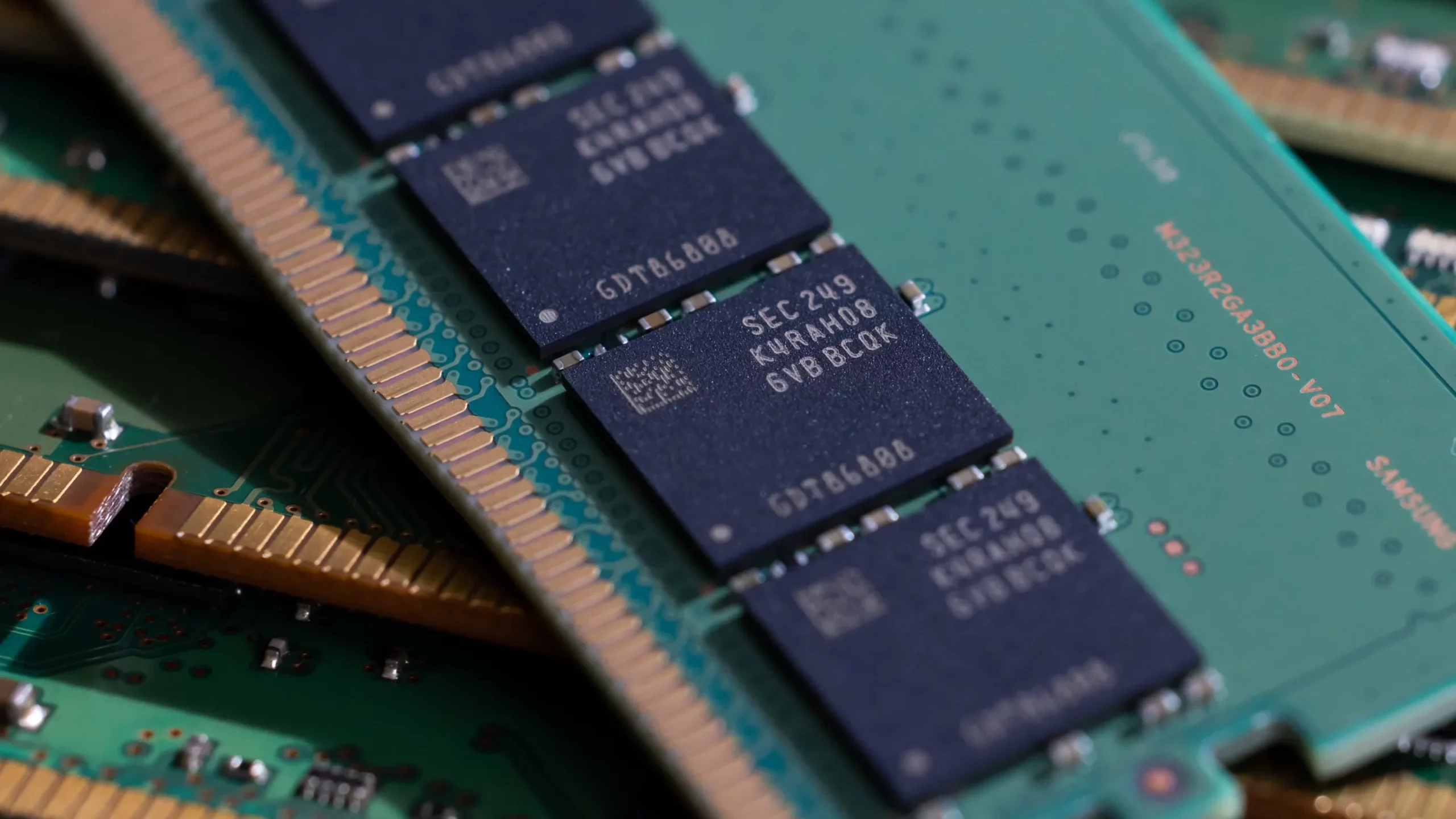
Long-term hyperscaler contracts pull future production capacity away from the consumer market, prolonging the demand cycle and keeping prices elevated. Brief dips like the TurboQuant selloff may be the exception rather than the rule. On the macro level, DRAM spot and contract prices look set to climb.
For anyone building a PC in the next few years, don’t expect much relief at checkout.
TechLifeStyler doesn’t do filler. Just the stories worth your time, every day. You know where to find us.





1 thought on “AI Giants are locking into Multi-Year memory deals, and it’s bad news for PC builders”