Dell chief executive Michael Dell has cautioned that artificial intelligence is on course to drive memory demand to levels the industry has never seen, and that by 2028, buyers may find themselves with no real leverage when it comes to pricing.
Table of Contents
A supercycle showing no signs of slowing
At a recent industry gathering, Dell put forward a striking projection: total memory demand could multiply by roughly 625 times before the end of the decade. He arrived at that figure by combining a projected 25x rise in per-accelerator memory capacity with an equally steep 25x expansion in how widely those accelerators get deployed across AI infrastructure. While the numbers remain speculative for now, they align with a broader industry view that the current memory boom still has considerable runway ahead of it.
That outlook stands in contrast to the pessimism that followed the TurboQuant episode, which triggered a wider selloff and raised questions about whether demand was beginning to cool. Dell’s position is that it isn’t.
Generational shifts are compounding the pressure
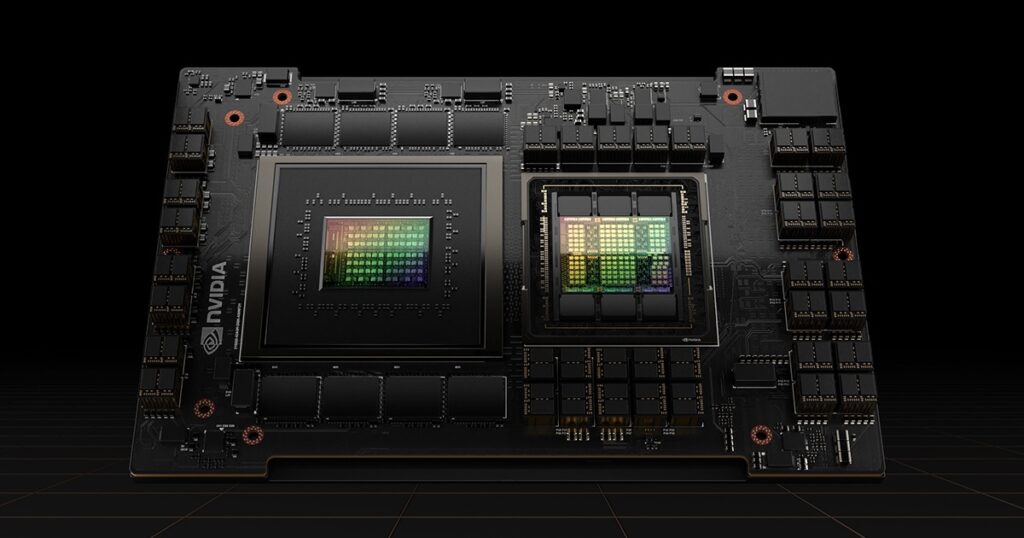
Tracing the arc from NVIDIA’s Hopper chips to the forthcoming Vera Rubin platform illustrates just how sharply memory requirements have climbed across successive generations. It isn’t only high-bandwidth memory pushing that trend; newer technologies like SOCAMM have added further strain on DRAM at the per-chip level, while hyperscalers simultaneously build out large-scale CXL memory pools that keep overall demand elevated.
Long-Term deals signal buyer urgency
Perhaps the clearest signal of how seriously the industry is taking this outlook is the wave of multi-year supply agreements now being struck between hyperscalers and memory manufacturers, some running as long as five years.
The appetite for these deals has been strong, pointing to a willingness among buyers to lock in supply well in advance, and at virtually any cost. With meaningful new production capacity not expected until at least the latter half of 2027, sustained shortages appear to be the baseline scenario for the years ahead.
TechLifeStyler doesn’t do filler. Just the stories worth your time, every day. You know where to find us.




1 thought on “Dell CEO predicts AI memory demand will reach ‘Unimaginable Levels’ By 2028”