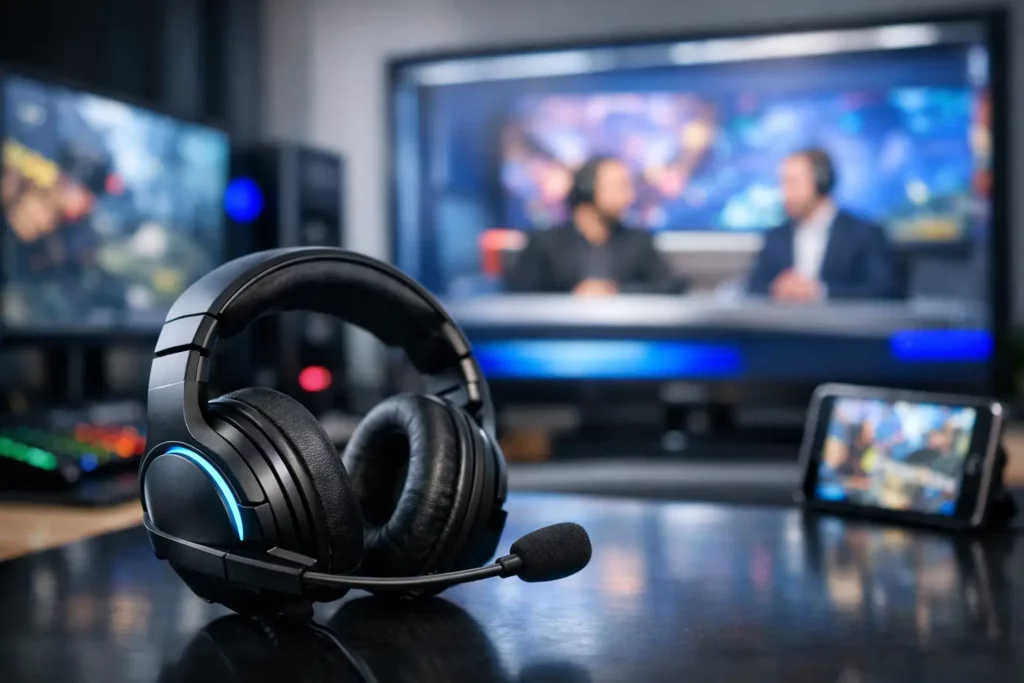
A good headset can outlast a console cycle, which is exactly why the best gaming headset news keeps landing bigger than a typical accessory update. This part of the market used to be about flashy RGB and exaggerated bass. Now the real story is how quickly gaming audio brands are fixing the stuff people actually complain about – battery life, clamp force, muddy chat mics, flaky wireless pairing, and awkward cross-platform support.
That shift matters because headsets sit in a weird spot between gaming gear and everyday tech. A lot of players want one device for late-night multiplayer, Discord calls, work meetings, handheld gaming, and maybe even commuting. So when new headset announcements drop, they are not just niche peripheral news anymore. They say a lot about where gaming hardware is heading overall.
Why best gaming headset news matters right now
The latest wave of headset launches is less about chasing a single premium tier and more about spreading useful features across more price points. That is the biggest trend worth watching. Things that used to be reserved for expensive flagship models – simultaneous Bluetooth and 2.4GHz wireless, stronger noise filtering on microphones, better EQ apps, and lighter frames – are showing up in midrange products much faster than they did a few years ago.
For gamers, that means fewer painful compromises. You do not necessarily have to choose between low-latency game audio and phone connectivity anymore. You also do not have to spend top dollar just to get a headset that sounds decent for both shooters and story-driven games. Brands clearly understand that buyers are comparing gaming headsets against regular wireless headphones now, not just other gaming gear.
The other big factor is platform overlap. PC, PlayStation, Xbox, Switch, and mobile all matter, but the messy part is compatibility. Every new product announcement gets judged on whether it plays nicely across multiple devices without making the buyer think too hard. That pressure is pushing manufacturers to simplify setup, include more connection options, and clean up software.
The biggest trends in best gaming headset news
Wireless is still the headline, but reliability is the real battle
Wireless gaming headsets are no longer the luxury option. At this point, they are the center of the category. The interesting part is not that brands keep launching wireless models. It is that they are finally focusing on consistency instead of just cutting the cord.
Recent product news across the space points to the same priorities: stronger USB dongle performance, lower latency, more stable multi-device switching, and battery life that does not collapse after a few months of use. That sounds less exciting than a flashy launch trailer, but it is exactly what buyers care about after the honeymoon period ends.
There is still a trade-off, though. Wired headsets remain attractive for players who want simple plug-and-play audio, lower cost, and no charging anxiety. So while wireless keeps dominating headlines, wired gear is not dead. It is just becoming the value pick instead of the default choice.
Microphone quality is finally getting serious
For years, headset makers acted like any boom mic would do as long as teammates could vaguely hear you. That is changing fast. Better voice pickup and AI-assisted noise reduction are becoming central selling points, especially as gaming and remote work continue to overlap.
This is one of the more meaningful changes in current best gaming headset news because mic quality affects more than multiplayer. A headset with a cleaner mic is easier to recommend to streamers starting out, students, hybrid workers, and anyone bouncing between game chat and meetings. That wider use case is pushing manufacturers to take voice performance more seriously.
Not every implementation is great, though. Some software-based voice cleanup can make people sound compressed or unnatural. So when brands promise broadcast-level clarity, it is worth reading past the headline. A cleaner mic is good. A robotic one is not.
Comfort is becoming a bigger selling point than raw audio specs
A lot of brands have figured out that gamers notice weight before they notice frequency response charts. New headset launches increasingly highlight lighter designs, revised hinges, breathable ear cushions, and less aggressive clamping force. That is not marketing fluff. Long sessions expose bad ergonomics fast.
This trend also reflects a more mature market. Most major headset brands can produce acceptable sound. The difference-maker now is whether you still want the thing on your head after three hours. For people wearing glasses, using handhelds in bed, or grinding ranked matches all weekend, comfort can easily outrank a slightly better driver.
The catch is durability. Ultra-light builds can feel great but sometimes introduce more plastic flex or cheaper-feeling parts. So the sweet spot is still hard to nail. Buyers are watching for products that trim weight without feeling disposable.
What headset brands are clearly responding to
The current news cycle around gaming headsets shows a category reacting to smarter consumers. People have gotten better at spotting specs that matter and ignoring the ones that do not. That is why launch messaging has started to sound more practical.
Instead of only pushing surround sound buzzwords, companies are talking up battery estimates, detachable mics, dual-device pairing, app-based tuning, and console compatibility. Those are real-world features. They affect whether a headset fits into daily life instead of becoming a single-purpose gadget.
There is also more attention on ecosystem lock-in. Buyers are tired of accessories that work best only inside one brand family. Headset makers know this, so cross-platform flexibility is becoming more central in announcements. The strongest new products are the ones that remove friction, not the ones that force you into a specific setup.
That said, no headset does everything perfectly. A model tuned for competitive footsteps may sound thin for music. A comfortable headset may have average passive isolation. A premium wireless model may still rely on clunky software. The category is improving, but trade-offs are still everywhere.
Price pressure is changing the market fast
One of the more interesting parts of best gaming headset news is how aggressive the midrange has become. Premium brands still want flagship margins, but they are getting squeezed by competitors offering surprisingly complete packages for less.
That is good news for shoppers and bad news for lazy product design. If a $100 to $150 headset can offer low-latency wireless, decent battery life, and a usable mic, then a $250 model needs to do more than just look expensive. It has to justify itself with better comfort, stronger build quality, cleaner sound separation, or genuinely useful software.
This pressure is likely to keep the category moving. Consumers have shown they are willing to pay for quality, but they are also much quicker to call out overpriced gear that does not feel meaningfully better. In a fast-moving market, value is becoming just as important as brand recognition.
What to watch in the next wave of gaming headset updates
The next round of announcements will probably keep pushing in a few obvious directions. Expect more hybrid designs that blur the line between gaming headset and everyday headphones. Expect more brands to promise better battery longevity, not just bigger hour counts on paper. And expect microphone processing to become a bigger battleground, especially as voice chat remains central to multiplayer gaming.
There is also room for improvement in software. Headset apps are still all over the place. Some are clean and useful. Others feel like they were built as an afterthought. If a brand can offer fast setup, stable firmware updates, and intuitive EQ controls without bloated extras, that alone can become a major selling point.
Another area to watch is handheld gaming. As more people split time between desktop setups and portable systems, headset makers have a reason to think beyond the couch-and-console model. Lighter gear, easier Bluetooth behavior, and more flexible dongle support all make more sense in that context.
For readers tracking launches on TechLifestyler, the simplest takeaway is this: gaming headset news is getting more relevant because headsets themselves are getting more useful. They are no longer just side accessories for a narrow slice of players. They are becoming all-around audio devices shaped by gaming culture, work habits, and the expectation that one product should fit into more than one part of your day.
So if you are watching the space, skip the loudest marketing claims and pay attention to the practical upgrades. The best headset news is not about who added the brightest feature. It is about who made the gear easier to live with when the game is over.
Also Read: Steam controller orders could take until 2027 for some – TechLifestyler



2 thoughts on “Best Gaming Headset News to Watch Now”