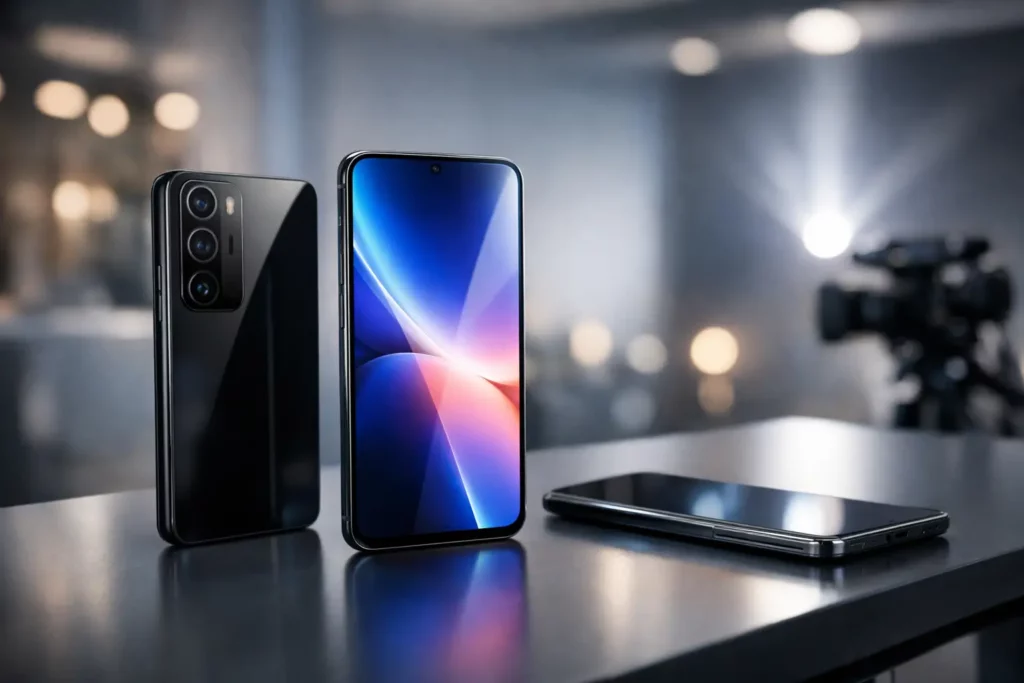
Phone launch season never really ends now – it just shifts from one brand cycle to the next. That is why new smartphone launch news matters more than ever for buyers who are trying to time an upgrade without getting burned by a better device landing two weeks later.
What used to be a once-a-year flagship event has turned into a near-constant stream of reveals, teaser campaigns, region-specific releases, and surprise mid-cycle refreshes. For readers who follow both gaming gear and everyday tech, smartphones sit right in the middle of the action. They are your camera, your handheld screen, your work device, your cloud gaming machine, and, for a lot of people, the gadget that gets used more than anything else.
Why new smartphone launch news feels nonstop
The biggest shift is simple: brands are no longer building around one clean annual reveal. Apple, Samsung, Google, OnePlus, Xiaomi, Motorola, and a growing list of smaller players now spread launches across the calendar. You get ultra-premium flagships, more affordable flagship killers, foldables, FE-style models, and budget devices all arriving on different schedules.
That means launch news is no longer just about one hero phone. It is about lineup strategy. A company might announce a flagship first, then follow it with a Pro model, then a folding version, then a trimmed-down version aimed at price-conscious buyers. For consumers, that creates more choice. It also creates more confusion if you are trying to figure out whether to buy now or wait.
Carrier deals make things even messier. A phone that looks expensive at launch can end up aggressively discounted through trade-ins within weeks. Another device might sound like a bargain in headlines, but only if you qualify for a very specific promotion. That is where keeping up with launch coverage actually helps. Specs tell one story, but release timing and pricing strategy tell the real one.
What brands are pushing in current smartphone launches
Most of the latest new smartphone launch news falls into a few clear themes. The first is AI, and yes, every brand is pushing it hard. Some of that is useful. Live translation, smarter photo editing, call summaries, and contextual search can make a real difference in daily use. Some of it is marketing fog layered on top of features that feel half-finished.
The second theme is camera identity. Brands are still trying to win attention with bigger sensors, periscope zoom, and image processing partnerships. But the trade-off is familiar: better camera hardware often means thicker phones, larger camera islands, and higher prices. If you mostly shoot social clips and casual photos, the real-world gap between premium and upper-midrange phones can be smaller than launch events make it sound.
Battery and charging remain a major selling point too. This is one area where regional differences matter a lot. Some brands launch phones overseas with much faster charging than what reaches the US. Others play it safe on charging speed but win on long-term software support and ecosystem stability. Depending on what you value, the best launch on paper is not always the best buy in practice.
Then there is design. Slimmer builds, titanium framing, flat displays, curved edges making a comeback in some markets, and foldables that are finally looking less experimental – all of that plays well in launch headlines. But design still comes with trade-offs. Thin phones can mean smaller batteries. Premium materials can make repairs pricier. Foldables look cooler every year, but durability and long-term value still matter if you plan to keep a device for three or four years.
The flagship race is still setting the tone
When the biggest brands launch new flagship phones, the entire market reacts. Even if you are not buying the top-tier model, those launches affect what trickles down into cheaper devices a few months later.
Samsung continues to treat its premium Galaxy line as a statement release, usually blending camera upgrades, display improvements, and a fresh AI pitch. Apple remains the brand that can turn an incremental update into the biggest mainstream phone story of the season. Google keeps leaning into software-first appeal, which lands especially well with buyers who care more about photography and smart features than pure hardware muscle.
The interesting part is that these brands are no longer only competing with each other. They are also defending against strong upper-midrange phones that feel good enough for most people. That puts pressure on launch messaging. A flagship cannot just be faster than last year. It has to feel meaningfully different, or buyers start looking at lower-priced alternatives.
For gamers and performance-focused users, chip upgrades still matter, especially for thermal control, sustained frame rates, and battery efficiency. But the annual speed jump is not always dramatic in real life. If your current phone is two years old, a new flagship will probably feel like a big step forward. If it is last year’s model, the launch hype may not match the day-to-day difference.
Midrange phones are making launch season more interesting
This might be the most important shift in current new smartphone launch news. Midrange and upper-midrange phones are no longer just backup options. In many cases, they are the smartest buy.
These devices now arrive with high refresh rate displays, solid main cameras, big batteries, fast charging, and enough performance for gaming, streaming, social apps, and multitasking. What they often skip are the luxury extras – premium zoom lenses, the absolute brightest panels, top-tier build materials, or the longest software support windows.
That is a real compromise, but not always a painful one. A lot of buyers would rather save a few hundred dollars than pay flagship pricing for features they barely use. That is why launches from brands like OnePlus, Motorola, Nothing, and Samsung’s FE-style segment get so much attention. They hit the sweet spot between excitement and affordability.
This is also where timing becomes everything. A midrange launch that lands right after a flagship event can look especially attractive because it feels close enough in daily use while sidestepping the premium price spike.
Foldables are still chasing the mainstream
Foldables keep showing up as the most eye-catching part of smartphone launch coverage, and for good reason. They are still the category with the clearest wow factor. Newer models are thinner, lighter, and more polished than the chunky early generations.
But this market is still in an awkward phase. The tech has improved, yet the pricing often remains tough to justify for average buyers. Foldables also face a harder value question than standard slabs. If you are spending top dollar, you want confidence in durability, app optimization, and long-term support.
That does not mean foldables are stalled. Far from it. They are becoming more credible every year, especially for multitaskers, content consumers, and users who want a phone-tablet hybrid without carrying two devices. Still, the gap between launch excitement and mass adoption is real. A lot of people love reading about foldables more than they love paying for them.
How to read smartphone launch announcements without falling for the hype
Launch events are built to make every feature sound essential. The smartest way to track them is to focus on a few practical questions.
First, ask what has actually changed from the previous model. Not what got a new marketing name, but what changed in a way you would notice after a week of use. Better battery life, a stronger zoom lens, cooler sustained gaming performance, and longer update support are meaningful. A slight brightness bump or one extra AI button might not be.
Second, watch the real launch price, not just the headline. Trade-in offers, carrier lock-ins, limited-time bundles, and regional configurations can all reshape the value story.
Third, think about how long you keep your phones. If you upgrade every year, bleeding-edge features may appeal more. If you keep a device for three to five years, support policy, battery health, repairability, and consistent performance matter a lot more than launch-day flash.
This is where fast news coverage has value when it stays grounded. TechLifestyler readers usually do not need a lecture. They need the signal through the noise: what was announced, what changed, what it costs, and whether it is worth caring about.
What to expect next from new smartphone launch news
The next wave is likely to stay centered on AI branding, thinner designs, better battery efficiency, and more aggressive midrange competition. Expect brands to keep pushing on-device tools that promise smarter search, better note handling, cleaner photo editing, and more personalized assistance. Some of that will stick. Some of it will quietly fade once the launch banners come down.
We are also likely to see more overlap between phone launches and adjacent categories like earbuds, smartwatches, gaming handheld ecosystems, and productivity accessories. That fits how people actually buy tech now. A phone is rarely just a phone. It is part of a stack.
For buyers, the best move is not chasing every reveal. It is understanding which launch actually matches your habits. Camera-first users should care about sensor upgrades and image consistency. Mobile gamers should watch cooling, chipset stability, and battery drain. Most everyone else should keep an eye on price, support length, and whether a midrange phone already does 90 percent of what they need.
The pace of launches is not slowing down, and that is not a bad thing. It just means the smartest upgrade is usually the one that fits your life, not the one making the loudest noise this week.


More Stories
Gaming Showcase Recap Today: Biggest Reveals
OLED vs Mini LED Monitors: Which Wins?
Open Back vs Closed Headphones Explained