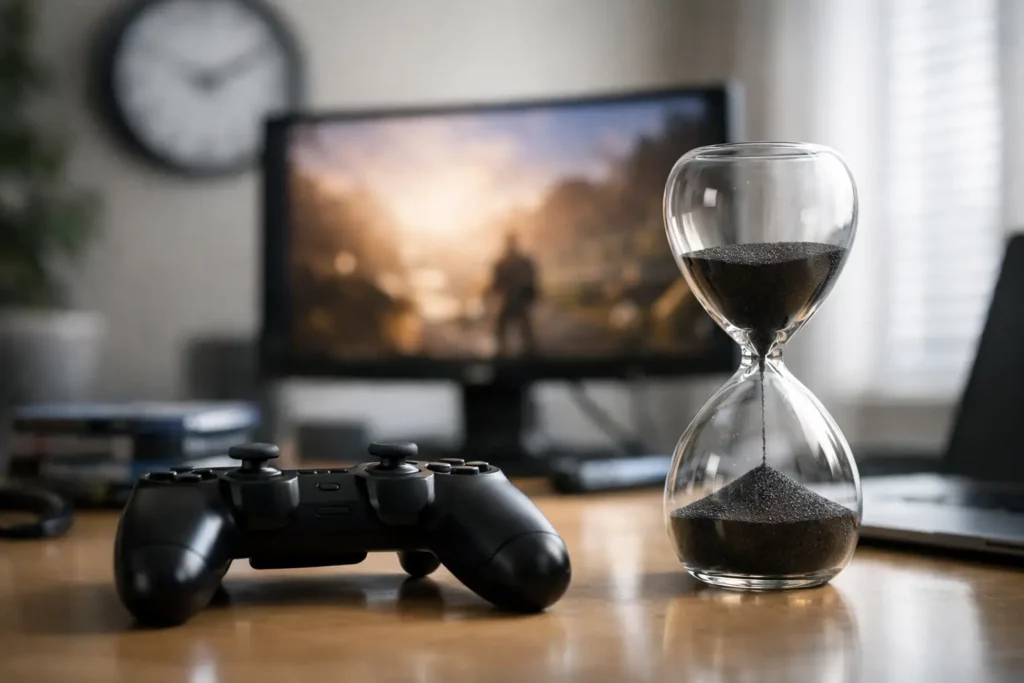
That familiar post pops up, the date changes, and suddenly game release delay news takes over the timeline for a day. For players, it usually lands somewhere between annoying and expected. For publishers and studios, though, a delay announcement is rarely just about needing a few more weeks.
A delayed game can signal anything from bug fixing and performance issues to marketing reshuffles, platform certification trouble, or a crowded launch window. That is why these updates keep drawing so much attention. They are not just calendar changes. They are often one of the clearest public clues about what is happening behind the scenes in modern game development.
Why game release delay news keeps happening
Delays are not new, but they feel more common now because games are bigger, more connected, and more visible throughout development. Studios announce projects earlier to build awareness, attract wishlists, reassure investors, or stay part of the conversation during long production cycles. The earlier a date gets attached to a game, the more chances there are for that date to slip.
Live service features, day-one patches, cross-platform optimization, and higher visual targets all make schedules harder to lock. A game launching on PC, PlayStation, Xbox, and sometimes Switch or mobile is not just one release. It is multiple technical targets with different performance expectations, certification processes, and player standards. If one version is behind, the whole rollout can get messy fast.
There is also a bigger audience problem. Players are less forgiving about broken launches than they were a decade ago, and for good reason. If a game arrives with stuttering performance, missing features, or server instability, that first impression can stick. Studios know that one rough debut can dominate coverage longer than a short delay ever will.
Not all delays mean the same thing
When delay news breaks, the easiest reaction is to assume the project is in trouble. Sometimes that is true. Sometimes it is not even close.
A short delay of a few weeks or a couple of months often points to polish, testing, or launch coordination. That can mean final optimization for PC hardware, bug fixing across console builds, or avoiding overlap with another major release from the same publisher. In those cases, a delay may be frustrating, but it can be a sign that the team still has control of the project.
A longer delay, especially one paired with vague messaging, leadership changes, or silence after a major reveal, tends to raise more questions. That is where readers start connecting the dots between public statements and wider industry issues like layoffs, studio restructuring, engine migration, or shifting platform plans.
This is why context matters more than the delay itself. Two games can both move out of the same quarter, but one is just getting extra QA time while the other is being quietly reworked.
What studios are really saying in delay announcements
Most delay statements sound similar on purpose. Teams thank players for their patience, say they need more time, and promise the extra runway will help them deliver the best possible experience. That language is standard because it is safe, broad, and hard to argue with.
What matters is what sits around that statement. If a studio shows fresh gameplay, gives a new date, and explains what the extra time is for, confidence usually stays fairly high. If the announcement comes with no footage, no updated launch window, and no clear reason beyond quality concerns, people naturally get more skeptical.
There is a marketing angle here too. Publishers want to control disappointment before leaks, retailer updates, or storefront changes force the story out early. Delay messaging is damage control, but it is also expectation management. If the game returns with a stronger trailer, a cleaner demo, or a more believable timeline, the delay can fade quickly.
The social media cycle makes delays feel bigger
Game release delay news travels fast because it hits multiple audiences at once. Core fans care because they were waiting to play. Industry watchers care because it may reveal studio pressure or broader publishing trends. Casual readers care because major titles shape the whole release calendar.
Social media compresses all of that into a few loud hours. One post triggers memes, frustration, defense of the developers, recycled jokes about launch dates not being real, and speculation that quickly outruns the available facts. The story stops being just about one game and turns into a debate about crunch, unfinished releases, preorder culture, and whether studios announce games too early.
That cycle can be useful, because it pushes players to ask better questions. It can also flatten nuance. A delay is not automatically a red flag, and shipping on time is not automatically a good sign.
Why publishers sometimes delay for reasons players never see
Some delays have less to do with development trouble and more to do with timing. A publisher may decide not to launch a game next to a massive rival release, a first-party exclusive, or even one of its own titles. A game can be ready enough, but still move because the commercial window looks weak.
There are practical reasons too. Certification on consoles can create last-minute issues. Physical distribution and regional rollout plans can shift. Large publishers also balance release schedules against earnings reports, marketing campaigns, and platform partnerships. Players usually see the updated date, not the chain of decisions behind it.
This is one reason delay coverage stays relevant across gaming and tech. Release timing is tied to storefront visibility, hardware bundles, platform strategy, and seasonal spending patterns. A delay can ripple beyond one game and affect accessories, console engagement, and even upgrade decisions for PC players waiting on a showcase title.
How players should read game release delay news
The smartest read is usually the least dramatic one. Start with the scope of the delay. A short move with a firm new date and recent gameplay footage is very different from an indefinite push after months of silence.
Next, look at the studio’s recent track record. Teams with a history of transparent updates and solid launches generally get more benefit of the doubt. Studios dealing with layoffs, leadership exits, or repeated schedule slips will face more scrutiny, and fairly so.
Then consider the platform mix. If a game is targeting multiple systems, especially PC plus consoles, optimization can genuinely stretch timelines. Anyone who follows hardware closely already knows how wide the performance gap can be between configurations. Getting a game stable across that spread is hard, even for experienced teams.
For readers checking sites like TechLifestyler for quick updates, the useful question is not just, “Was the game delayed?” It is, “What does this delay change?” Does it affect preorder interest, launch competition, platform confidence, or the likelihood of a smoother day-one experience? That is the real value in following the story.
Delayed games are not always better, but rushed games are usually obvious
There is no guarantee that extra time fixes everything. Some delayed titles still launch with technical issues or design problems that more schedule padding could not solve. A delay can improve performance and stability, but it cannot always rescue a project with unclear direction or deeper production trouble.
Still, the trade-off is usually clear. Most players would rather wait than pay full price for a game that feels unfinished. After years of rocky launches across major franchises, the audience has become more alert to warning signs. Delays may disappoint in the moment, but they often land better than apology posts after release.
That shift has changed the conversation. Delay news used to feel like failure by default. Now it often reads more like risk management. Not exciting, but sometimes necessary.
What to watch next when a release date slips
After a delay, the next few signals matter more than the announcement itself. Fresh gameplay footage, hands-on previews, technical breakdowns, and a specific new date all help rebuild confidence. Silence does the opposite.
Players should also watch whether the messaging changes tone. If a studio goes from precise and upbeat to vague and defensive, that can suggest the schedule is still unstable. If communication gets clearer and more frequent, the delay may have done exactly what it was supposed to do.
At this point, game release delay news is part of how modern development gets communicated in public. It is frustrating, sometimes overused, and often wrapped in PR language, but it still tells us something real. Behind every moved date is a decision about quality, pressure, money, or timing – and that makes these updates worth paying attention to.
The next time a big title slips, the better question is not whether delays are good or bad. It is whether the studio is buying meaningful time, or just borrowing more of the audience’s patience.



More Stories
Gaming Showcase Recap Today: Biggest Reveals
OLED vs Mini LED Monitors: Which Wins?
Open Back vs Closed Headphones Explained